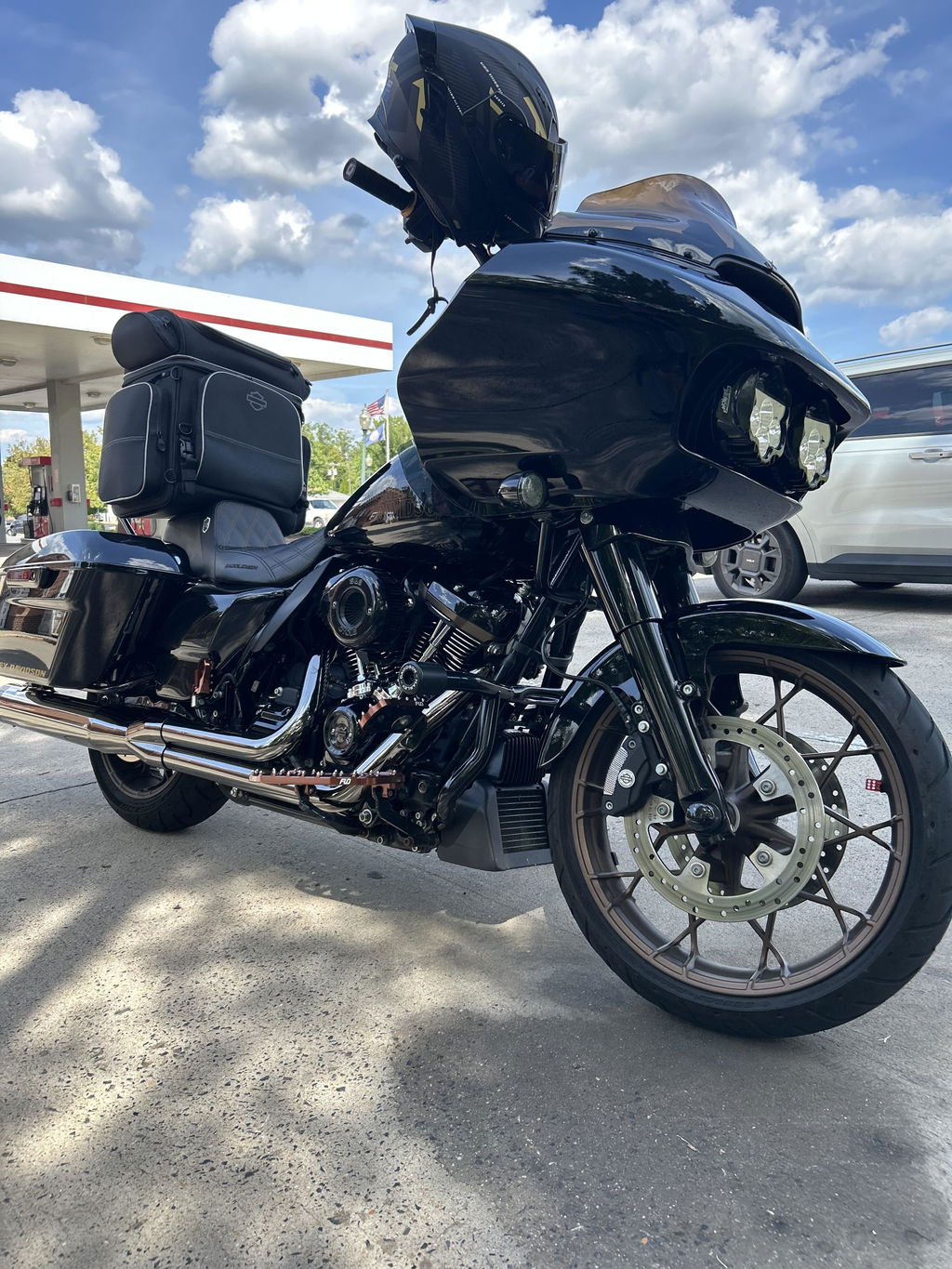
RIDING IN COLD WEATHER: HOW TO STAY WARM AND SAFE

The cold doesn't have to end your riding season — here's how to handle it like a pro

There's a moment in every cold-weather ride when you feel it. The chill seeps through your gloves. Your fingers start to stiffen. The wind finds the gap between your jacket and your neck, and suddenly you're not thinking about the road anymore — you're thinking about how cold you are.

And that's exactly when riding becomes dangerous.

Cold weather isn't just uncomfortable. It's a safety hazard. When your body gets cold, your reaction time slows. Your grip weakens. Your concentration fades. And on a motorcycle, those are the things that keep you alive.

Here's everything you need to know about riding in cold weather — from staying warm to staying safe.

The Cold Reality: Why It's Different

Riding in the cold isn't the same as standing in the cold. At highway speeds, wind chill drops temperatures dramatically. That 40-degree day can feel like 20 degrees when you're moving at 60 mph.

The first thing to understand: you will get cold faster than you think. A rider can lose close to a litre of sweat an hour even in cold weather, and dehydration makes you more vulnerable to the cold.

What cold does to you

  • Reaction times slow. Cold reduces your body's ability to react quickly. Stiff fingers, numb toes, and reduced concentration can turn small mistakes into serious problems.
  • Muscle control weakens. When your hands are cold, you can't operate the controls as precisely.
  • Fatigue sets in faster. Your body works harder to stay warm, draining your energy.
  • Decision-making suffers. Cold affects your brain as well as your body.

If you're shivering, your reaction time is already compromised. That's not just uncomfortable — it's dangerous.

The Three-Layer System: Your Cold-Weather Foundation

The most effective way to stay warm on a motorcycle is layering. Inspired by mountaineers, the three-layer system traps heat, wicks moisture, and shields you from the elements.

Layer 1: The Base Layer (Moisture Management)

This is the layer against your skin, and it's critical. A good base layer wicks sweat away, keeping you dry. If you're wet, you'll be cold — and cotton is the enemy here because it holds moisture against your skin.

What to look for:

  • Merino wool or synthetic fabrics that wick moisture and retain heat
  • Snug but not restrictive fit — it should trap body heat without limiting movement
  • Long sleeves for full coverage under your other layers

The base layer is your first point of regulating body heat, so it's essential that it wicks away moisture while retaining warmth.

Layer 2: The Mid Layer (Insulation)

This layer traps body heat to keep you warm. It's the insulation that makes the difference between a tolerable ride and a freezing one.

What to look for:

  • Fleece or synthetic insulation that traps heat without adding bulk
  • Breathable material to prevent overheating
  • Snug enough to fit under your jacket without restricting movement

Mid-layers like Richa's PrimaLoft or fleece jackets are ideal for this purpose.

Layer 3: The Outer Layer (Protection)

This is your riding jacket — the shield between you and the elements. It must be windproof, waterproof, and durable.

What to look for:

  • Abrasion-resistant materials like leather or high-denier textiles
  • Waterproof membrane to keep rain out (Gore-Tex or similar)
  • CE-rated armor at shoulders, elbows, and back
  • Adjustable cuffs and collar to seal out cold air
  • Removable thermal liner for versatility

A well-chosen outer layer is the finishing touch that makes the whole system work, absorbing the impact of wind, rain, and road while keeping you comfortable and visible.

The Critical Areas: Head, Neck, Hands, and Feet

Your core isn't the only thing that needs protection. Heat loss happens most quickly from your head, neck, hands, and feet. Neglect any of these, and your ride will be miserable — and dangerous.

Head and Neck

A full-face helmet is your best ally against the cold. It keeps heat trapped inside and protects your face from icy gusts. Look for helmets with vents that close to keep cold air out.

Don't forget your neck. A neck gaiter or balaclava is essential to seal the gap between your helmet and jacket. Some riders prefer a full balaclava, while others find a neck tube (Buff) more comfortable with their helmet.

A warm neck can make or break a ride, especially at high speeds.

Hands

Cold hands are not just uncomfortable — they're dangerous. You need dexterity to operate the controls safely.

Options for staying warm:

  • Heated gloves are a game-changer, powered by your motorcycle's battery or rechargeable batteries
  • Insulated, windproof gloves with gauntlet cuffs that cover your jacket sleeves
  • Heated grips that provide warmth directly from the handlebars
  • Handlebar control covers like HippoHands that shield your hands from wind

Some riders wear a thin pair of waterproof gloves over their riding gloves for added protection. It's not the most stylish solution, but it keeps you dry.

Feet

Cold feet are miserable. Insulated riding boots with a waterproof membrane are essential. Look for:

  • Insulated, windproof boots that block cold air
  • Waterproof construction to keep feet dry
  • Wool or thermal socks for extra warmth

Many riders also use waterproof socks or even plastic bags over their regular socks for an extra layer of protection.

Staying Safe on the Road

Warmth is important, but safety is the priority. Cold weather changes how your bike handles and how other drivers behave.

Tires and Traction

Cold asphalt provides less traction than warm roads. Your tires take longer to warm up — if they warm up at all — and cold tires behave like hard rubber, not sticky performance tires.

Ride accordingly:

  • Ride gently until tires warm up
  • Avoid sudden braking, acceleration, or aggressive lean angles
  • Increase following distance — cold tires and brakes mean longer stopping distances
  • Check tire pressure often — pressure drops in cold temperatures

Hidden Hazards

Winter roads hide dangers that aren't always obvious:

  • Black ice on bridges, shaded areas, and early mornings
  • Wet leaves and road debris that can be slippery
  • Salt, sand, and gravel left from road treatments
  • Condensation or frost on painted road markings

Slow down when you're unsure, and avoid riding at dawn or dusk when temperatures fluctuate.

Visibility

Shorter days and poor weather reduce visibility — for you and for other drivers.

Improve your visibility:

  • Wear high-visibility or reflective gear
  • Keep your visor clean and fog-free
  • Use anti-fog inserts or treatments to prevent visor fogging
  • Make sure all lights are working
  • Use auxiliary LED headlights if you need extra visibility

In winter, assume drivers see you even less than usual.

Road Conditions

The Motorcycle Safety Foundation recommends extra caution in autumn and winter:

  • Wet leaves and gravel can be as slippery as ice
  • Deer and other wildlife are more active in rutting season
  • Road treatments like salt and sand can reduce traction
  • Weather can change quickly — check the forecast before you ride

When to Stay Home

The most important winter riding skill is knowing when not to ride.

Avoid riding when:

  • Ice or snow is present
  • Temperatures hover around freezing with wet roads
  • Weather forecasts are unpredictable
  • You're fatigued or unable to stay warm

No ride is worth unnecessary risk.

Recognising Hypothermia

Riding for long periods in cold weather can lower your body temperature and cause hypothermia.

Symptoms include:

  • Deterioration in physical coordination
  • Irrational, confused behaviour
  • Sluggish movement
  • Shivering
  • Muscle tension
  • Shallow, slow breathing

If you experience any of these symptoms, leave the road at your first opportunity and find shelter. Drink warm liquids, do some exercise to warm yourself, and if your clothes are wet, change out of them.

Final Thoughts

BikerZoneZ has the cold-weather gear you need to stay warm and safe. From thermal base layers and insulated gloves to full-face helmets and waterproof jackets — we build gear for riders who don't let the cold stop them.

Comments

No comments yet. Be the first to share your thoughts!

Leave a comment