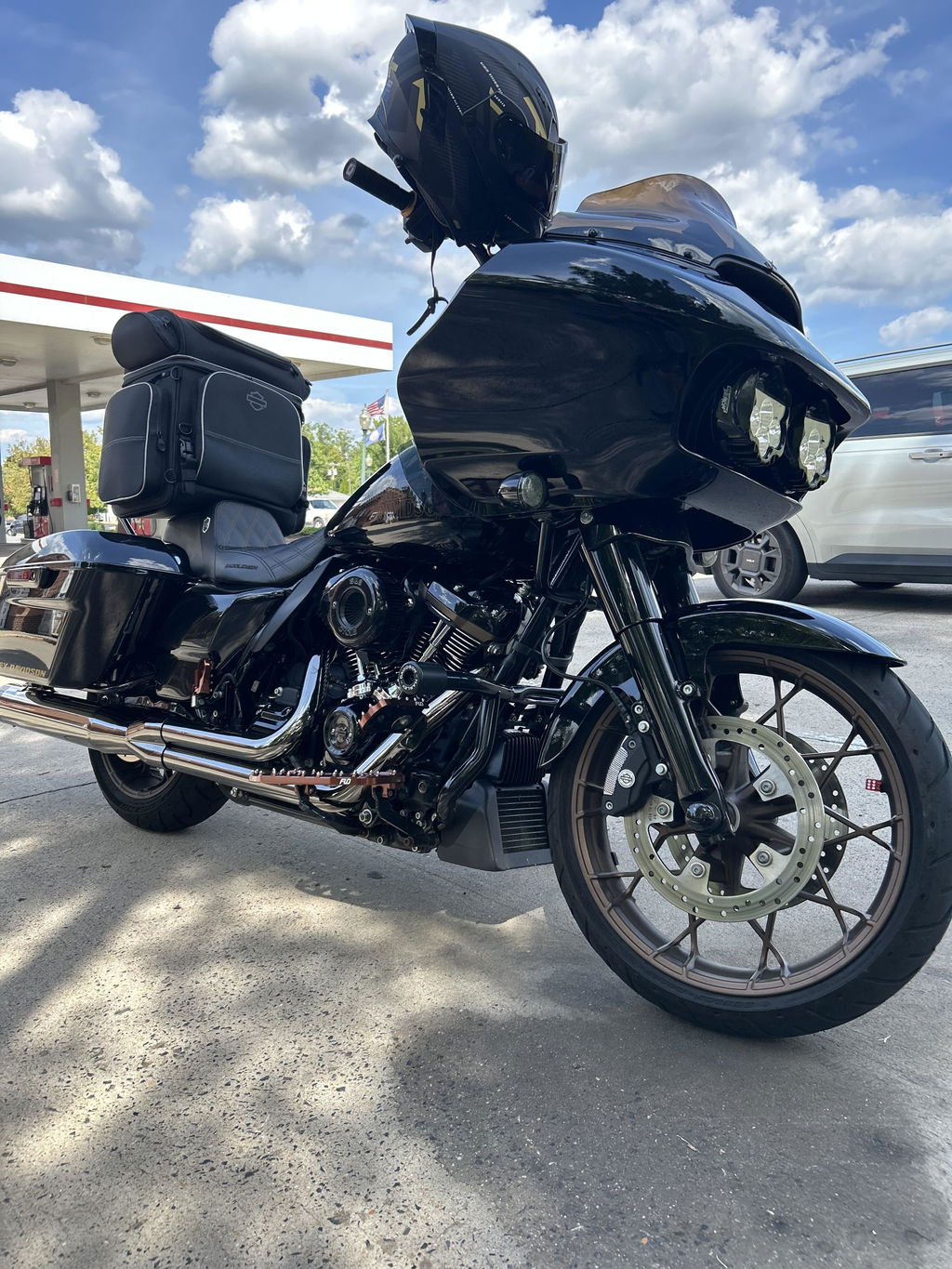
RIDING IN HOT WEATHER: TIPS TO STAY COOL AND FOCUSED

The heat doesn't have to ruin your ride — here's how to beat it

Summer is the season most riders wait for all year. Long days, open roads, and warm air make it easy to plan one more trip.

But here's the thing about summer riding: it can go from enjoyable to exhausting surprisingly quickly.

While most riders know the basics, hot-weather riding isn't simply a case of opening a few vents and getting on with it. Dehydration, fatigue and heat exhaustion can creep up on you long before you realise something is wrong — and all three can affect concentration and reaction times.

The good news? With the right approach, you can stay cool, comfortable, and focused even when the mercury climbs.

Here's everything you need to know.

1. Hydrate Before You're Thirsty

If there's one rule that matters more than any other, it's hydration. By the time you're feeling thirsty, you're already playing catch-up.

On a hot day, a rider can lose close to a litre of sweat an hour. Wind passing over you while riding can make you feel cooler than you actually are, which masks how much fluid your body is losing. Even losing around two percent of your body weight in water is enough to slow your reaction time and dull your judgment.

WHAT TO DO

  • Drink water before you ride, bring a bottle or hydration pack, and plan stops every hour or so
  • Hydration packs are particularly useful because they make it easier to keep fluids topped up throughout the day
  • Drink little and often rather than guzzling large amounts at once
  • Consider hydration tablets or powders packed with minerals and electrolytes — they replace what you lose when you sweat
  • Aim for a minimum of 3.7 litres per day for men, 2.7 litres for women — if not more

WHAT TO AVOID

  • Soft drinks — sugar counteracts hydration
  • Alcohol — it accelerates dehydration
  • Excessive caffeine — plain water is your best friend

2. Wear the Right Gear — Not Less Gear

Every summer, there are riders tempted to swap jackets for T-shirts and gloves for bare hands.

To put it bluntly: it's a terrible idea.

Cruising in shorts and a t-shirt on a scorching day is a mistake you may not live to regret. Aside from the obvious risks of injuries, wearing less gear makes you more susceptible to sunburn. The breeze on naked skin stops you from noticing the sun's impact. You may arrive at your destination intact, but lobster red.

And here's the counterintuitive truth: removing gear doesn't necessarily keep you cooler. Riders in hotter climates frequently point out that proper riding gear helps manage airflow and can actually slow the rate at which your body loses moisture. Bare skin in hot wind dries you out faster.

WHAT TO LOOK FOR

  • Mesh jackets and riding pants designed specifically for warm conditions — these are built with ventilation panels that allow airflow while still offering abrasion resistance and impact protection
  • Moisture-wicking base layers worn directly against your skin — they draw sweat away from your body, promoting evaporative cooling
  • Perforated leather gear if leather is your preference
  • Gloves with perforated panels or mesh for airflow
  • Helmets with excellent ventilation systems that channel air efficiently
  • Light-coloured helmets that reflect sunlight rather than absorb it

CONSIDERING COOLING GEAR

  • Evaporative cooling vests that you soak in water before heading out
  • Dampen your base layer — soak it, wring out the excess water, and put it on. The damp shirt will pull heat off your skin
  • Wear a wet bandana around your neck — keeping the back of your neck cool helps stave off drowsiness

3. Time Your Rides Wisely

If you're planning a big ride, timing matters. The hottest part of the day is usually between late morning and mid-afternoon.

Ride smarter:

  • Set off earlier or wait until later in the afternoon
  • Early morning rides come with the added bonus of quieter roads
  • Avoid riding during the hottest part of the day
  • If you must ride midday, stick to routes with shade when possible

4. Take More Breaks Than Usual

Summer riding isn't the time for heroic fuel-to-fuel stints.

A five-minute stop in the shade can make a huge difference to how you feel over the course of a day.

Break routine:

  • Stop every hour if it's particularly hot
  • Take your helmet off, cool down, stretch your legs
  • Get some fluids onboard before heading off again
  • Look for rest stops or parks with plenty of shade — for both you and your motorcycle

5. Open Every Vent You've Got

Manufacturers don't spend years developing ventilation systems for nothing.

What to do:

  • Open helmet vents, jacket vents, and exhaust ports
  • If your kit has adjustable ventilation, now is the time to use it
  • Crack your visor slightly open for more airflow
  • Even relatively small openings can make a noticeable difference once you're moving

6. Keep Moving Where Possible

Moving air is your friend.

Prolonged periods stuck in queues can quickly turn a manageable ride into a sweaty ordeal.

What to do:

  • Choose routes with less congestion where possible
  • Avoid sitting in slow traffic for extended periods — a motorcycle generates a lot of heat at low speeds, and that radiates directly onto the rider

7. Know the Warning Signs

Heat exhaustion doesn't arrive with flashing lights.

Watch for:

  • Dizziness
  • Headaches
  • Excessive fatigue
  • Muscle cramps
  • Nausea
  • Difficulty concentrating
  • Heavy sweating
  • Weakness
  • Unusual irritability

If you start feeling any of these symptoms, pull over somewhere safe immediately and cool down. Find shade, cool down, and drink before getting back on the road.

Continuing to ride while your body is struggling with the heat is a risk not worth taking.

8. Don't Forget Your Bike

Heat works on the machine as well.

What to check:

  • Tyre pressure — pressure rises as temperatures climb, by roughly one PSI for every 10°F of change. Check pressure when the tyres are cold
  • Engine fluids — check your motorcycle's fluids before heading out
  • Hot asphalt softens and can feel different under your tyres — ride with extra awareness on baking pavement
  • Keep air inlets to the engine clean to prevent overheatin

9. Consider the Humidity

Air temperature alone doesn't tell the whole story. Humidity matters too, because damp air makes it harder for sweat to cool you.

The "heat index" combines both. Once it climbs past about 90°F (32°C), it's worth taking extra care. Above roughly 103°F (39°C), the strain on your body rises sharply.

These aren't hard limits — they're a reminder to pay closer attention to how you feel.

10. Watch for Post-Rain Hazards

Prolonged hot, dry weather makes roads accumulate a cocktail of oil, tyre rubber, exhaust residue, and general grime.

When the first rain comes after a dry spell, these contaminants rise to the surface and mix with water into a thin, slick film.

What to know:

  • The most slippery moment is in the first ten to twenty minutes after rain begins
  • It can take up to about half an hour of steady rain to wash that layer away
  • The centre of the lane collects the most oil — favour the wheel tracks on either side

READY TO BEAT THE HEAT?

BikerZoneZhas everything you need for comfortable summer riding. From ventilated helmets and mesh jackets to hydration packs and cooling accessories — we build gear for riders who refuse to let the heat win.

Comments

No comments yet. Be the first to share your thoughts!

Leave a comment